3 Nov 2026
Tracing Dealer Rotation Cycles Against Variant Payout Adjustments in Provider-Driven Mobile Sessions
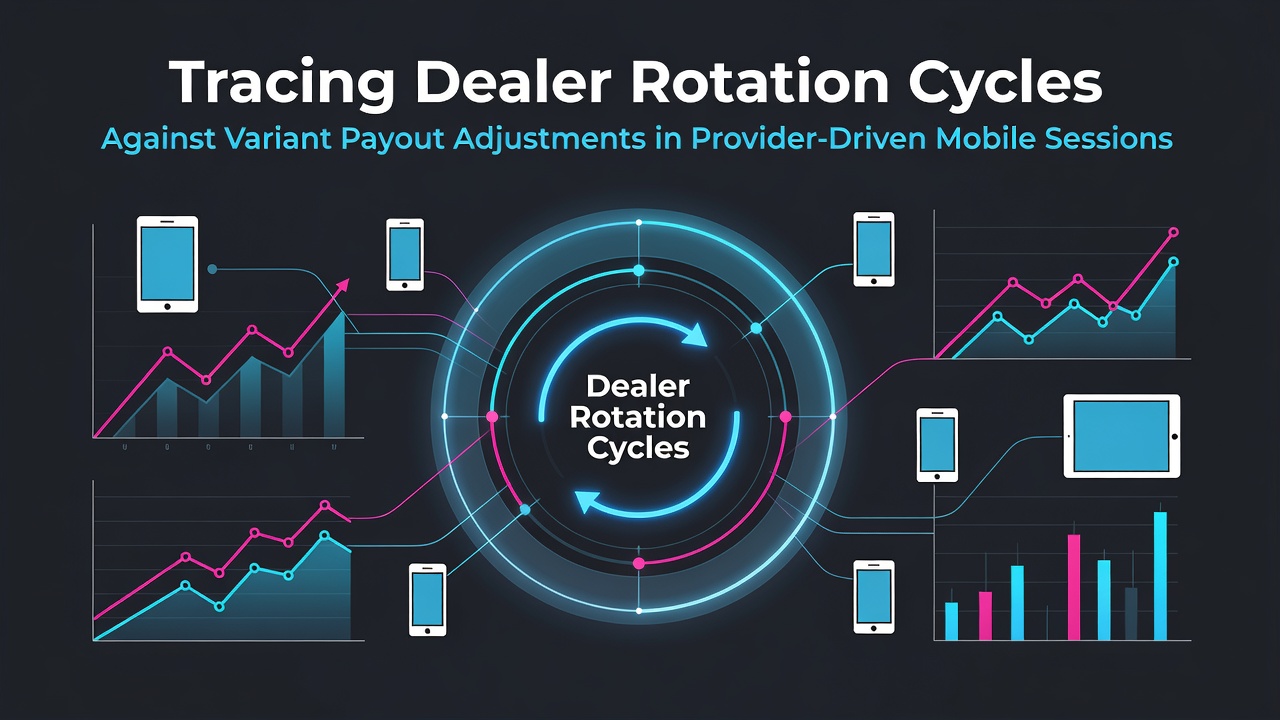
Live casino platforms in mobile environments rely on structured dealer rotation cycles that align with payout structures across different wheel variants, and operators track these patterns through provider software that manages session timing and rule sets simultaneously. Data from multiple regional markets shows that rotation intervals often shift when sessions switch between European, American, and French wheel configurations because each variant carries distinct payout tables that affect session duration and player flow metrics.
Dealer Rotation Patterns in Mobile Streams
Providers schedule dealer changes at fixed intervals that range from 20 to 45 minutes depending on the platform, yet these intervals compress or extend when payout adjustments activate for specific variants. Researchers at academic institutions studying digital gaming systems have documented that American wheel sessions, which feature two zero pockets and reduced payout ratios, trigger earlier rotation triggers to maintain consistent stream pacing across devices. In contrast, French wheel mechanics with their la partage rule often sustain longer dealer tenures because the adjusted payout on even-money bets extends average round times.
Software dashboards used by operators display real-time cycle data that correlates dealer switch points with variant-specific payout multipliers, allowing technical teams to verify synchronization between live feeds and backend randomization engines. One study released by an Australian research group in 2025 illustrated how mobile session logs captured a 12 percent increase in rotation frequency when providers moved players from single-zero to double-zero configurations mid-session.
Payout Variant Adjustments and Their Technical Triggers
Provider platforms implement payout adjustments through configurable rule engines that update tables without interrupting active streams, and these updates frequently coincide with scheduled dealer rotations to minimize disruption. Observers note that European wheel payouts remain stable across most mobile sessions while American variants require recalibration of house-edge parameters that cascade into rotation algorithms. When French mechanics activate the en prison option, the system recalculates expected session length and may delay or advance the next dealer change accordingly.
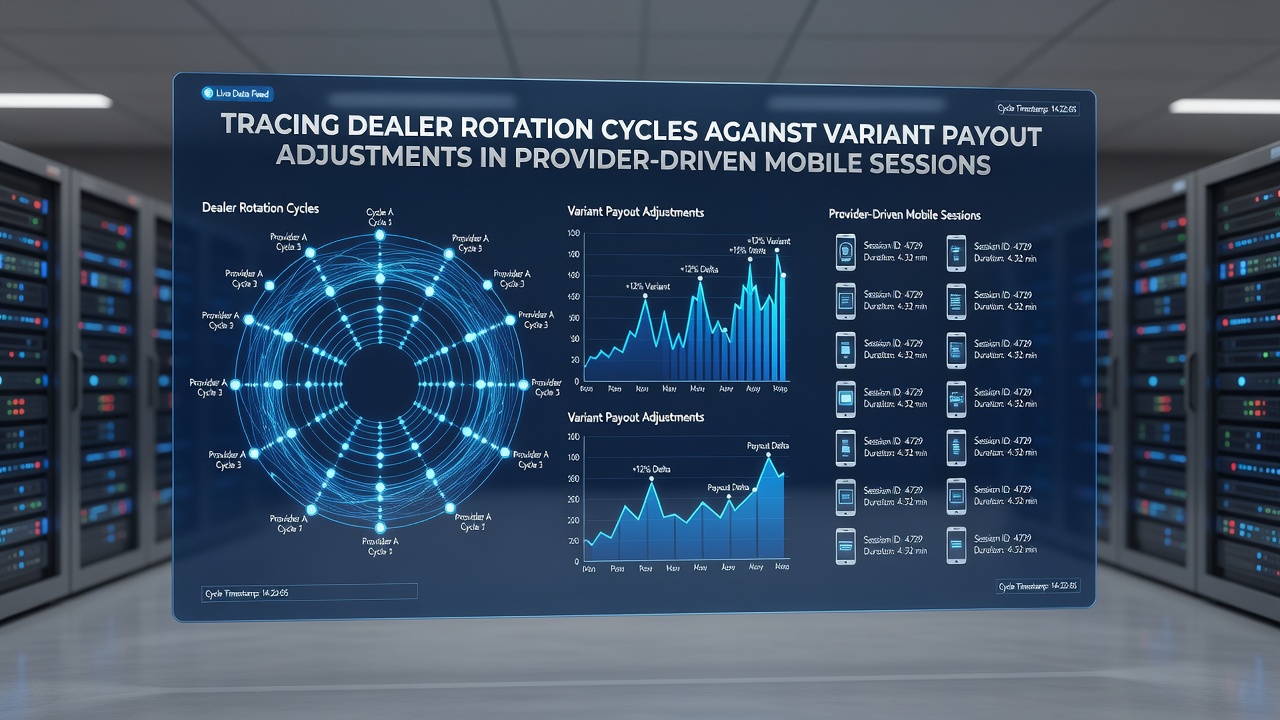
Technical logs from provider networks reveal that synchronization protocols between regional licensing bodies and wheel randomization standards influence how often cycles reset, particularly in cross-border gaming networks where multiple jurisdictions share the same backend infrastructure. Data collected through 2025 indicated that operators in North American markets adjusted rotation windows by an average of eight minutes when switching payout tables to match local compliance requirements.
Integration of Rotation Data With Mobile Session Analytics
Mobile analytics suites aggregate rotation timestamps alongside payout variant logs to produce heat maps that highlight periods of highest session churn, and these visualizations help technical staff identify mismatches between dealer changeovers and rule updates. Industry reports from the European Gaming and Betting Association show that providers who align rotation cycles more tightly with variant adjustments experience steadier retention rates across iOS and Android clients during peak evening hours.
November 2026 marks the scheduled rollout of updated technical standards from several North American regulatory bodies that will require explicit logging of rotation events against every payout table modification, and providers have already begun testing enhanced tracking modules to meet the new reporting thresholds. These standards build on earlier frameworks developed in Canadian provinces and aim to create uniform data formats that simplify cross-platform audits.
Cross-Platform Variations and Provider-Specific Approaches
Different providers apply unique weighting to rotation logic when multiple wheel variants operate within the same mobile app ecosystem, and some prioritize fixed time blocks while others use dynamic triggers based on round completion rates. Figures released by a University of Nevada gaming research center in early 2026 demonstrated that sessions using American payouts rotated dealers 18 percent more frequently than those running European tables under identical mobile bandwidth conditions.
Operators maintain internal dashboards that flag discrepancies between expected and actual rotation intervals whenever payout adjustments occur, allowing rapid recalibration of the underlying algorithms. What's interesting is how these systems handle simultaneous multi-variant lobbies where players move between wheel types without leaving the mobile session, requiring rotation engines to account for overlapping dealer assignments across separate streams.
Conclusion
Tracing dealer rotation cycles against variant payout adjustments reveals a tightly coupled relationship between live stream management and mobile software rulesets, with provider platforms continuously refining synchronization methods to accommodate regulatory shifts expected in November 2026. Available industry data and technical documentation continue to map these interactions across diverse markets, offering clearer visibility into the operational mechanics that underpin provider-driven mobile gaming environments.