6 Oct 2026
Decoding Synchronization Protocols Between Regional Licensing Bodies and Wheel Randomization Standards in Cross-Border Gaming Networks
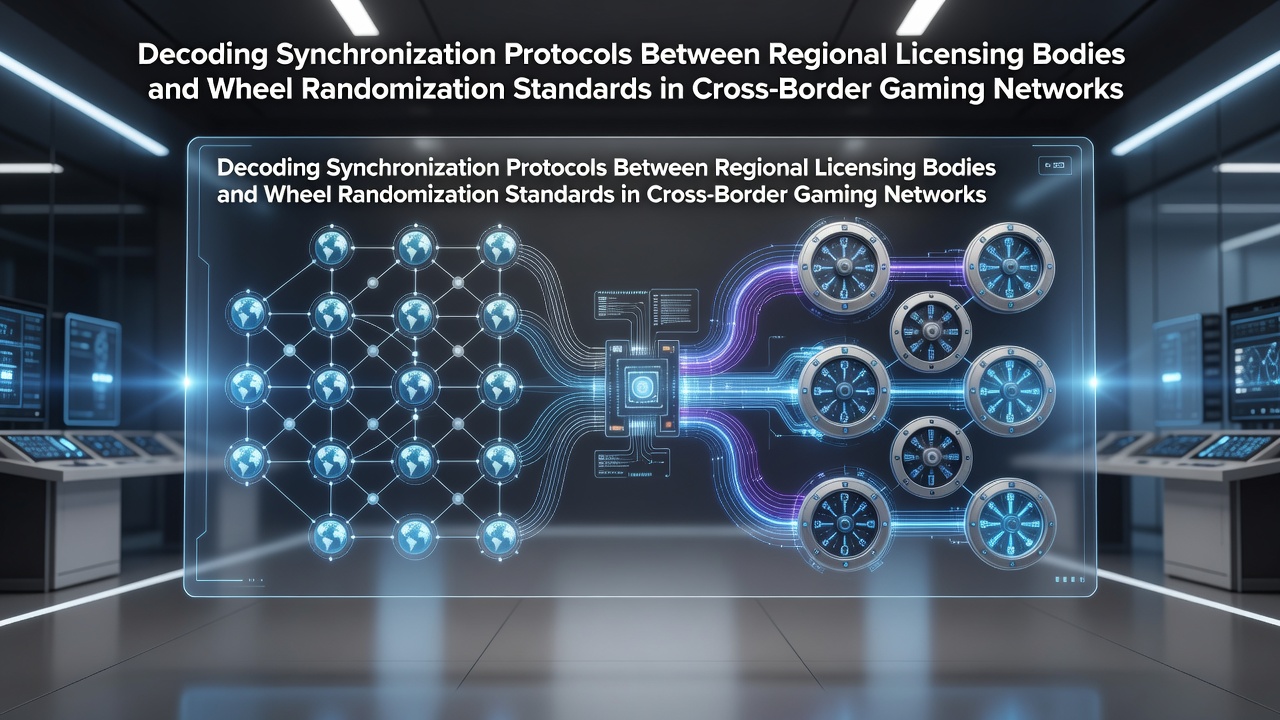
Cross-border gaming networks rely on precise coordination between regional licensing bodies and wheel randomization standards to maintain consistent fairness across jurisdictions, and data from industry reports shows these protocols handle everything from random number generation algorithms to real-time compliance checks. Licensing authorities in different regions establish baseline requirements for wheel randomization which typically involves certified RNG systems tested against benchmarks like those outlined in technical standards from organizations such as the International Association of Gaming Regulators, while cross-border operators must align their systems to avoid discrepancies in payout distributions or sequence integrity during live sessions.
Regional Licensing Frameworks and Their Core Requirements
Licensing bodies across North America and Europe set distinct yet overlapping criteria for wheel randomization, and one observes that regulators like the Nevada Gaming Control Board emphasize continuous monitoring of RNG outputs against historical benchmarks whereas counterparts in other areas focus on periodic audits tied to specific game variants. These frameworks require operators to integrate synchronization layers that translate local certification data into a common protocol format, allowing seamless data exchange when a player crosses from one licensed network to another. Research from academic institutions indicates that mismatches in randomization parameters can lead to statistical deviations exceeding acceptable thresholds, prompting the development of shared validation tools that compare outputs in real time.
Mechanics of Wheel Randomization Standards
Wheel randomization standards center on algorithms that generate unpredictable outcomes for games like roulette, and experts note these systems undergo rigorous testing to confirm uniformity across millions of spins with figures from certification labs revealing deviation rates kept below 0.01 percent in approved deployments. Standards often reference frameworks such as GLI-19 which specify entropy sources, seed management, and post-processing techniques, while cross-border networks add layers for protocol translation to reconcile variations in how different bodies define acceptable randomness metrics. Data from multiple studies shows that without proper synchronization, sequence predictability can increase in multi-jurisdictional environments, leading operators to adopt unified APIs that pull live feeds from each regional database.
Synchronization Protocols in Practice
Synchronization protocols function as middleware that maps one region's randomization parameters to another's, and observers note this process includes timestamped handshakes, encrypted data packets, and fallback mechanisms for network interruptions. In October 2026 regulators plan to roll out an updated interoperability specification that incorporates machine learning checks for anomaly detection across borders, building on existing models used by entities like the Pennsylvania Gaming Control Board and similar bodies in Australia. Those who've studied these implementations find that protocols reduce latency in compliance reporting while ensuring wheel outcomes remain statistically independent regardless of the player's location within the network.
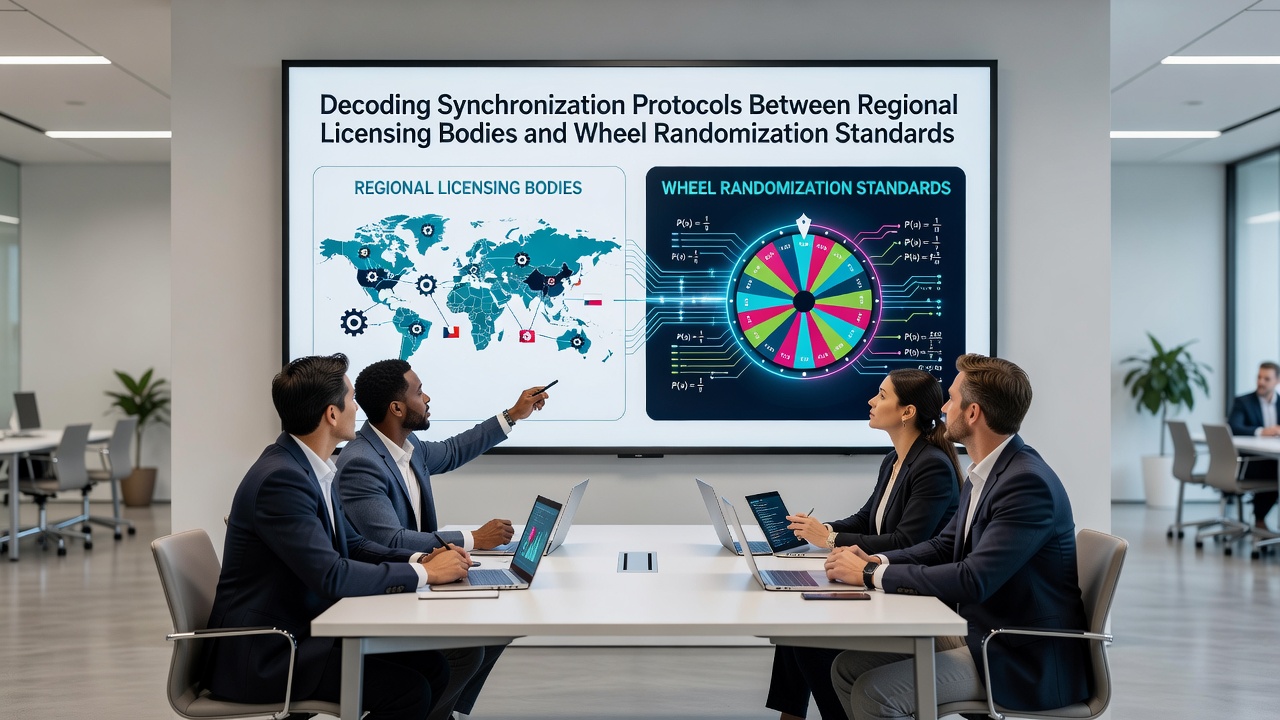
One case study from a multi-state operator revealed that implementing these protocols cut audit preparation time significantly because automated reconciliation replaced manual cross-checks, and the same report highlighted integration with external research on entropy harvesting from physical sources to bolster digital RNG resilience. What's interesting is how these systems handle edge cases such as jurisdiction-specific wheel bias adjustments, where a protocol might flag and reroute a session to maintain alignment with the stricter standard in play.
Challenges and Emerging Solutions
Challenges arise when regional standards evolve at different paces, and researchers have documented instances where outdated randomization certifications created temporary barriers for operators expanding into new markets. Solutions include modular protocol stacks that allow incremental updates without full system overhauls, with evidence from industry analyses pointing to successful deployments in networks spanning Canada and parts of the European Union. Data indicates that collaborative working groups between licensing bodies accelerate the adoption of common test suites, reducing the frequency of compliance conflicts in cross-border scenarios.
Conclusion
The interplay between regional licensing bodies and wheel randomization standards continues to shape reliable cross-border gaming networks through structured synchronization protocols that prioritize consistency and auditability. As updates scheduled for October 2026 take effect, these mechanisms are expected to incorporate more advanced verification layers drawn from diverse regulatory perspectives around the globe, ensuring operators can deliver uniform experiences while meeting localized requirements. Ongoing data collection from certified systems provides the foundation for refining these protocols further in response to technological shifts.