22 Sep 2026
Charting Number Distribution Algorithms Against Historical Rule Adaptations in Cross-Platform Wheel Environments
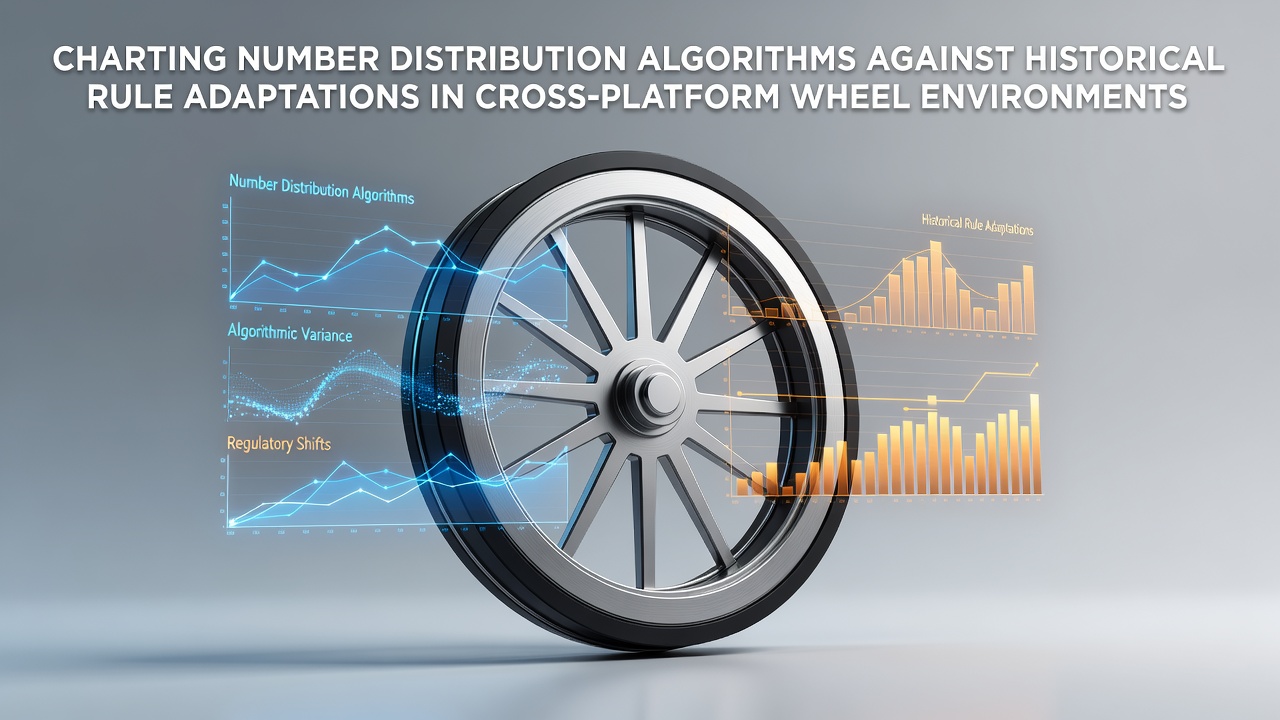
Number distribution algorithms track outcomes in wheel-based systems by comparing generated sequences to expected uniform patterns, and these tools now incorporate layers of historical rule data that have shifted across jurisdictions since the early 2000s, while cross-platform environments add variables such as device-specific random number generators and session logging standards that differ between desktop clients and mobile applications. Observers note that developers integrate adaptation timelines into charting software so that payout structures from earlier decades appear alongside current distribution metrics, creating layered views that reveal whether observed frequencies align with modified house edges or wheel sector adjustments implemented after regulatory reviews.
Core Components of Distribution Charting Systems
Algorithms begin with baseline uniform random models that assign equal probability to each pocket on a wheel, yet they layer in deviation scoring modules that flag sequences falling outside statistical tolerance bands established through large sample sets collected from multiple operators. Data from regulatory filings shows that systems must recalibrate when wheel mechanics change, such as the addition of a double-zero sector in certain American variants or the introduction of la partage rules that return half the stake on even-money bets during zero outcomes. These adjustments alter the long-term return-to-player percentages, so charting programs store versioned rule sets that activate automatically when historical filters are applied to incoming data streams.
Engineers build these systems to handle timestamped event logs that record every spin outcome together with the active rule configuration at that moment, and this approach allows analysts to segment datasets by era without manual intervention. Research from academic institutions indicates that combining distribution tracking with rule histories improves detection of platform-specific anomalies, particularly when mobile applications use different pseudorandom seeds than web-based versions of the same game title.
Historical Rule Shifts and Their Algorithmic Footprints
Wheel environments have undergone repeated modifications driven by licensing requirements, with notable examples including the gradual adoption of single-zero wheels in several European markets during the 2010s and subsequent refinements to betting limits that indirectly affect observed number frequencies through changed player behavior patterns. Charting tools now embed these timelines so that users can overlay distribution curves from periods before and after each change, revealing whether any deviation persists across platform migrations. Figures from industry reports compiled by the Nevada Gaming Control Board highlight how rule updates in licensed venues prompted operators to adjust monitoring thresholds, and similar patterns appear in cross-platform deployments where the same underlying random number generator feeds both desktop and handheld clients.
Platform-Specific Implementation Details
Cross-platform wheel environments require algorithms that normalize data across operating systems because iOS and Android frameworks impose distinct constraints on random number generation libraries, while browser-based versions rely on JavaScript implementations that must match server-side verification methods. Developers therefore maintain separate calibration profiles that account for these differences yet feed into a unified charting interface, allowing comparisons that span device types without introducing artificial variance. Studies released by the University of Malta in collaboration with European gaming research centers demonstrate that such normalization reduces false positives when historical rule adaptations are tested against live streams collected simultaneously on multiple platforms.

Integration points between charting modules and historical databases have grown more sophisticated since 2023, incorporating automated ingestion of regulatory bulletins that document rule modifications as they receive approval. By September 2026 several operators plan to deploy updated charting suites that reference new compliance standards scheduled for introduction in multiple jurisdictions, ensuring distribution analyses remain aligned with the latest wheel configurations available on both established and emerging platforms.
Data Sources and Validation Practices
Validation of these combined charting systems relies on external datasets supplied by licensing authorities and independent testing laboratories, which provide anonymized outcome logs that researchers cross-reference against internal operator records. A report issued by the Australian Communications and Media Authority outlines verification procedures that require distribution algorithms to demonstrate consistent performance when historical rule parameters are toggled on and off during audit simulations. Those procedures emphasize reproducibility across different hardware environments, a factor that becomes critical when the same algorithm must evaluate sessions originating from tablet applications and dedicated casino terminals.
Analysts apply statistical tests such as chi-squared goodness-of-fit measures and runs tests to confirm that observed distributions match theoretical expectations under each documented rule set, and the results feed back into refinement cycles that adjust tolerance levels for future monitoring. Observers note that this iterative process has become standard because rule adaptations continue to occur at intervals determined by legislative reviews rather than fixed schedules, creating an ongoing need for flexible charting frameworks.
Conclusion
Charting number distribution algorithms against historical rule adaptations supplies operators and regulators with structured methods for maintaining consistency across wheel environments that operate on varied platforms. The combination of timestamped outcome data, versioned rule repositories, and platform-specific calibration profiles supports accurate segmentation of performance metrics, while external validation from bodies such as the Nevada Gaming Control Board and the Australian Communications and Media Authority reinforces reliability. As new rule modifications receive approval and additional platforms enter the market, these integrated systems continue to evolve through incremental updates that preserve traceability between current distributions and the historical contexts that shaped them.